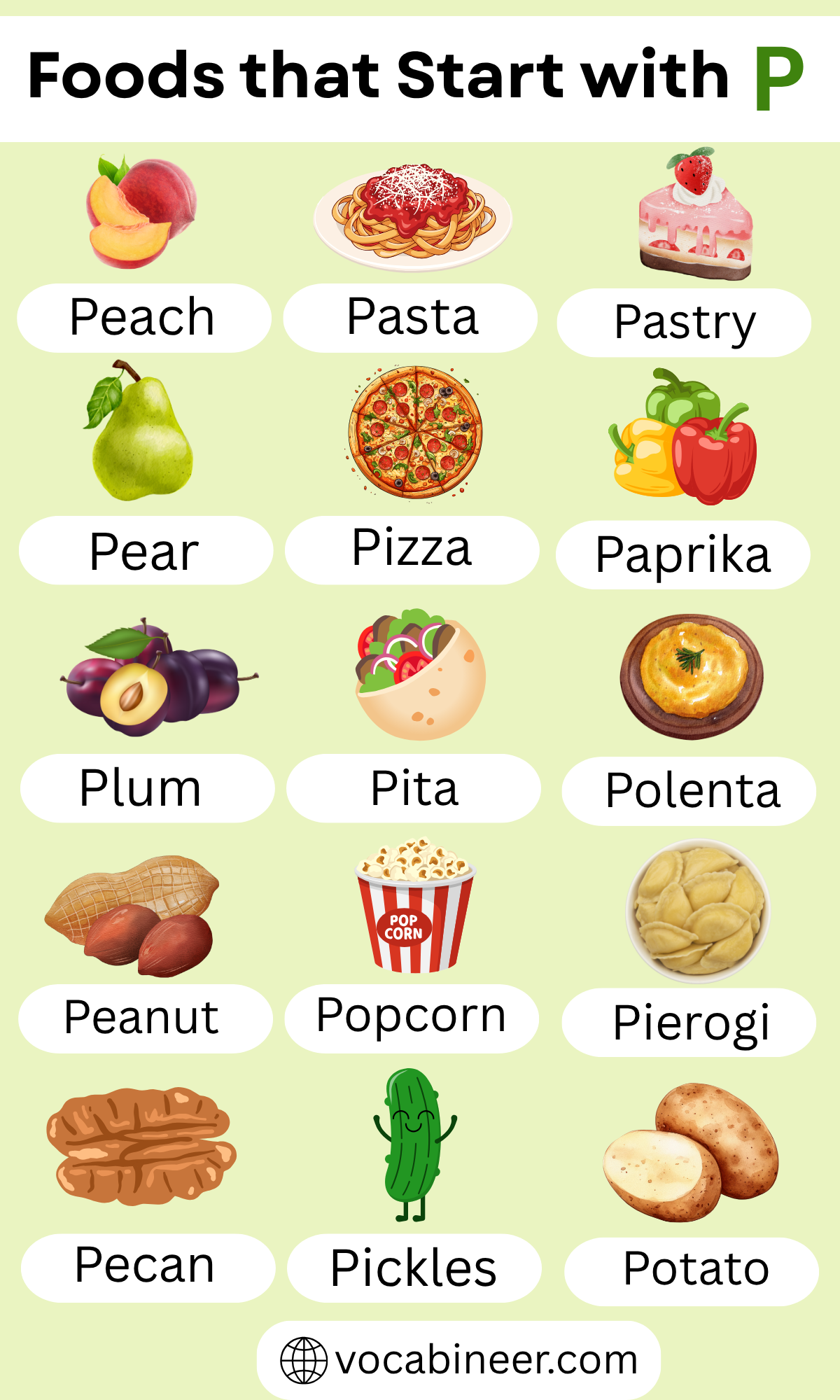
Welcome back to our culinary exploration of the alphabet! Following our initial dive, we're continuing our delicious journey through the vast and varied world of foods that begin with p. The letter 'P' truly presents a pantry full of possibilities, from exotic fruits and ancient grains to beloved spices and savory proteins. Whether you're a seasoned chef or an adventurous home cook, there's always something new and exciting to discover. Let's peel back the layers and uncover more of these delightful ingredients, each offering unique flavors, textures, and nutritional benefits.
A Deeper Dive into P-Foods: Beyond the Basics
As we continue our adventure from foods that begin with p - Article 1, it's clear that the 'P' category is incredibly diverse. Here, we delve into some fascinating P-foods you might encounter in your daily life or on your next culinary escapade:
- Pistachios: These delightful green nuts are not only delicious but also packed with nutrients. Rich in healthy fats, protein, fiber, and antioxidants, pistachios are excellent for heart health and can help manage blood sugar. Enjoy them as a snack, sprinkle them over salads, or incorporate them into desserts and savory dishes for a unique crunch and flavor.
- Pomegranate: A fruit renowned for its jewel-like arils, the pomegranate is a powerhouse of antioxidants and Vitamin C. Its tart, sweet flavor makes it a refreshing addition to salads, yogurts, and drinks. Pomegranate seeds can also be used to garnish main dishes or simply enjoyed on their own.
- Plantains: Often mistaken for bananas, plantains are a starchy fruit integral to many Caribbean, African, and Latin American cuisines. They are typically cooked before eating and can be fried (maduros or tostones), baked, boiled, or mashed. They offer a good source of complex carbohydrates, fiber, and potassium.
- Paneer: A fresh, non-melting cheese common in Indian and South Asian cooking, paneer is an excellent source of protein for vegetarians. Its mild flavor and firm texture make it incredibly versatile, perfect for curries like palak paneer, grilled in tandoors, or crumbled into scrambles.
- Papaya: This tropical fruit is celebrated for its sweet, musky flavor and soft, buttery texture. Papaya is rich in Vitamin C, Vitamin A, and the enzyme papain, which aids digestion. Enjoy it fresh, blended into smoothies, or in fruit salads. Green, unripe papaya is also used in savory salads in Southeast Asian cuisine.
- Peppercorns: More than just a seasoning, peppercorns are the dried berries of the Piper nigrum plant. Black, green, and white peppercorns come from the same plant but are processed differently, offering distinct flavor profiles. Pink peppercorns, though not true peppercorns, add a delicate, fruity spice. Freshly ground peppercorns elevate nearly any dish.
- Prosciutto: An exquisite Italian dry-cured ham, prosciutto is known for its delicate, salty, and slightly sweet flavor. It's often served thinly sliced as an antipasto, wrapped around melon or figs, or draped over pizzas and salads. It adds a sophisticated touch to any meal.
- Polenta: A versatile dish made from boiled cornmeal, polenta can range from a creamy porridge to a firm, sliceable cake. It's a staple in Northern Italian cuisine, serving as a comforting side dish for stews and braised meats, or as a base for various toppings like roasted vegetables or cheese.
- Pecans: Native to North America, pecans are buttery, rich nuts packed with healthy fats, fiber, and antioxidants. They are a classic ingredient in pies, but also wonderful in savory dishes, salads, and as a healthy snack.
- Parsley: A ubiquitous herb, parsley comes in flat-leaf (Italian) and curly varieties. It brightens flavors, adds a fresh note, and is rich in vitamins K, C, and A. Use it generously as a garnish, in tabbouleh, pesto, or infused into sauces and soups.
Culinary Adventures with P-Foods: Tips and Inspiration
Embracing foods that begin with p in your cooking opens up a world of culinary creativity. Here are some practical tips and inspiring ideas to help you incorporate these ingredients into your everyday meals:
Exploring Textures and Flavors
- Contrast is Key: Pair the creamy texture of polenta with crispy roasted vegetables, or the delicate sweetness of prosciutto with the tartness of a pomegranate and rocket salad.
- Spice it Up: Experiment with different types of peppercorns. Black adds a robust kick, green is milder and aromatic, and white offers a sharp, earthy flavor, ideal for cream sauces where color is a concern.
- Sweet vs. Savory: Discover the versatility of foods like plantains, which can be enjoyed sweet when ripe and fried, or savory when green and twice-fried into tostones. Papaya, too, shines in both contexts.
Simple Recipe Ideas to Get You Started
- Pistachio-Crusted Salmon: A quick and impressive meal. Press crushed pistachios onto salmon fillets and bake until flaky.
- Pomegranate and Feta Salad: Combine fresh spinach or mixed greens with pomegranate arils, crumbled feta cheese, and a light vinaigrette. Add toasted pecans for extra crunch.
- Paneer Skewers: Marinate cubes of paneer with yogurt and spices, then grill or pan-fry them with bell peppers and onions for a delicious appetizer or main course.
- Creamy Polenta with Mushrooms: Prepare polenta according to package directions, then stir in Parmesan cheese and top with sautéed mixed mushrooms.
- Papaya & Lime Smoothie: Blend ripe papaya with fresh lime juice, a touch of honey, and some ice for a refreshing tropical drink.
Don't be afraid to experiment! The global appeal of these foods means there are countless recipes waiting to be discovered. For more foundational ideas and a broader look at the delightful diversity, revisit foods that begin with p - Article 1 for even more inspiration.
The Health Benefits of P-Packed Plates
Beyond their exciting flavors, many foods that begin with p are nutritional powerhouses, contributing significantly to a healthy diet. Incorporating a variety of these foods can lead to numerous health advantages:
- Fiber Fantastic: Foods like pomegranates, plantains, pistachios, and pecans are excellent sources of dietary fiber. Fiber is crucial for digestive health, helping to prevent constipation and promote a healthy gut microbiome. It also plays a role in heart health by helping to lower cholesterol levels and can aid in blood sugar management.
- Antioxidant Powerhouses: Pomegranates, pistachios, and papayas are particularly rich in antioxidants. These compounds help combat oxidative stress in the body, protecting cells from damage caused by free radicals. This can reduce the risk of chronic diseases and support overall cellular health.
- Protein Prowess: Paneer, pistachios, and prosciutto offer significant amounts of protein, essential for muscle repair, growth, and satiety. Including protein-rich P-foods can help you feel fuller for longer, aiding in weight management and providing sustained energy.
- Vitamin and Mineral Boost:
- Vitamin C: Found abundantly in pomegranate, papaya, and parsley, Vitamin C is vital for immune function, skin health, and as a powerful antioxidant.
- Vitamin K: Parsley is an excellent source of Vitamin K, important for blood clotting and bone health.
- Potassium: Plantains and pistachios are good sources of potassium, an electrolyte crucial for maintaining fluid balance, nerve signals, and muscle contractions.
- Healthy Fats: Pistachios and pecans are packed with monounsaturated and polyunsaturated fats, which are beneficial for heart health and can help lower bad cholesterol levels.
- Digestive Support: Papaya contains papain, an enzyme that aids in protein digestion, making it a great choice for supporting gut health.
By consciously adding these nutrient-dense P-foods to your meals, you're not just enjoying delicious flavors but also actively supporting your body's well-being.
Practical Tips for Shopping and Storing Your P-Foods
To truly enjoy the bounty of foods that begin with p, knowing how to select and store them properly is key. Here are some actionable tips:
- Selecting Perfection:
- Pomegranates: Choose fruits that are heavy for their size, with firm, unblemished skin. A dull, leathery skin is a sign of ripeness.
- Papaya: Look for papayas with smooth skin that has started to turn yellow or orange. A fully yellow papaya is ripe and ready to eat. Avoid those with soft spots or mold.
- Plantains: For frying sweet plantains (maduros), choose those with black or very dark skins. For savory dishes (tostones), opt for green, firm plantains.
- Pistachios & Pecans: Buy shelled or unshelled from reputable sources. Store in airtight containers to prevent rancidity.
- Paneer: Check the expiration date. It should be firm, white, and odorless.
- Storage Solutions for Freshness:
- Pomegranates: Can be stored at room temperature for a few days or in the refrigerator for up to two weeks. The arils can be frozen.
- Papaya: Ripe papayas should be refrigerated and consumed within a few days. Unripe papayas can ripen at room temperature.
- Plantains: Store at room temperature. They will ripen more quickly in a paper bag.
- Paneer: Keep refrigerated in its original packaging. Once opened, store in an airtight container immersed in water, changing the water daily, to prolong freshness.
- Parsley: Store fresh parsley in a jar with a little water, covered loosely with a plastic bag, in the refrigerator. It will last over a week.
- Maximizing Shelf Life: Proper storage not only keeps your food fresh but also reduces waste. Freezing shelled pistachios or pecans can extend their shelf life significantly. Similarly, pureed papaya can be frozen for smoothies.
Don't hesitate to venture into specialty stores or international markets, as they often carry a wider array of unique 'P' foods. For even more delightful discoveries and cooking inspiration, be sure to check out foods that begin with p - Article 3.
Our journey through the world of foods that begin with p continues to reveal an incredible spectrum of flavors, textures, and nutritional benefits. From the vibrant sweetness of pomegranate and papaya to the savory richness of prosciutto and paneer, these ingredients offer endless possibilities for culinary creativity. By exploring new P-foods and re-discovering old favorites, you can add exciting dimensions to your diet, boost your nutrient intake, and embark on a continuous adventure in taste. So, go forth, experiment with these fantastic ingredients, and let the letter 'P' inspire your next delicious meal!
